Does the glass matter?
by Patrick Mur • 6 min read
The glass is the last thing between the wine and you — and it does more than people think, and far less than the marketing suggests. Somewhere between “any tumbler will do” and “a different glass for every grape” sits the truth: a few things about a glass genuinely change how a wine tastes, and most of the rest is theatre. Here's what actually matters.
The parts that do real work
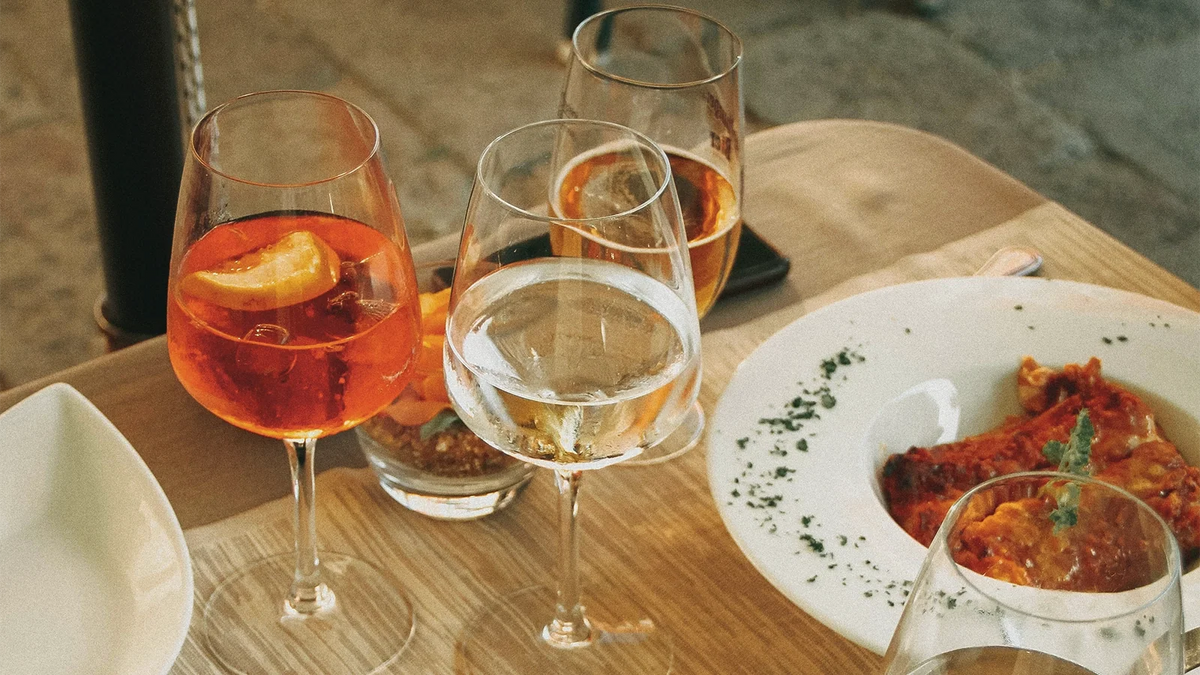
Three things about a glass genuinely change what's in it. The bowl gives aroma somewhere to gather — swirl a wine in a generous bowl and you release far more of its smell than a narrow glass ever could, which is why reds tend to want more room than whites. The rim is the quiet hero: a fine, thin rim delivers the wine cleanly onto your palate, while a thick, rolled edge literally gets in the way. And the glass should be clear and plain, so you can actually see the wine — not coloured or cut.
In practice: Choose a glass with a decent bowl (room to swirl), a thin rim, and clear glass. Those three do most of the work.
The factor no one mentions: a clean glass
The biggest thing people get wrong isn't the shape — it's what's already in the glass. A film of detergent, or the dusty, cardboard smell of a glass that's sat in a cupboard, flattens a wine's aroma and, in sparkling, kills the bubbles outright. A brilliant glass with residue in it is worse than a plain one that's spotless.
In practice: Rinse glasses in hot water with little or no detergent, dry and polish with a lint-free cloth, and give a stored glass a quick sniff before you pour.
What matters less than they tell you
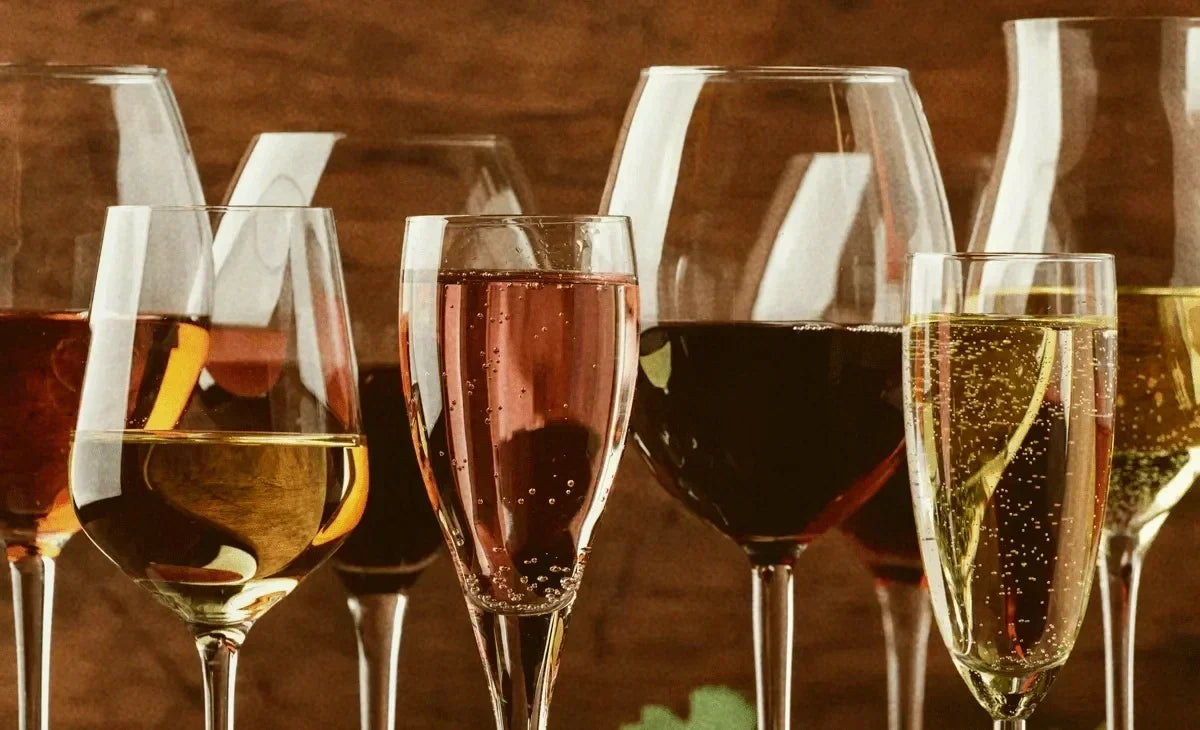
The wine world sells a glass for every grape — a Burgundy bowl, a Bordeaux bowl, a flute for this, a tulip for that. Some of those differences are real; most are marginal, and few of us have the cupboard space or the inclination. A single good all-purpose glass handles the overwhelming majority of wines beautifully. You're not missing much by owning one excellent shape instead of ten.
In practice: Buy one good all-purpose glass for still wine, and a tulip or flute for sparkling. That's a complete set for almost everyone.
Stemless, and why the stem earns its place
Stemless glasses are handsome and hard to knock over, and perfectly fine for an easy glass. But there's a catch: your hand wraps the bowl, and your hand is warm. Hold a wine by the bowl for a while and you're gently heating it — undoing the temperature you took care to get right. The stem isn't ceremony; it's insulation.
In practice: Hold the glass by the stem, not the bowl — especially for whites and anything you've chilled.
The glass can't fix the temperature
For all a good glass does, it can't rescue a wine served too warm or too cold — and a wide bowl, or a warm hand, can quietly nudge a wine out of its window while you drink. Pour a little less, hold the stem, and keep the bottle itself at the right temperature. The complete guide to wine serving temperature has the window for every style.
In practice: Let the bottle, not the glass, hold the temperature: pour smaller measures more often, and keep the bottle at its serving temperature between pours.
The last step is yours
A good glass, like everything about serving, works by getting out of the way — clean, clear, the right shape, nothing between the wine and you. Own a couple of good ones, keep them spotless, hold them by the stem, and serve the wine at the temperature it was made for. That's the step VinoQ protects: the SoloVino and DuoVino hold a bottle where it should be, from the first pour to the last.
Part of our complete guide: How to serve wine, as it was meant to be — read the full guide.
VinoQ. Taste it as it was meant to be.