Pouring vs serving
by Patrick Mur • 7 min read
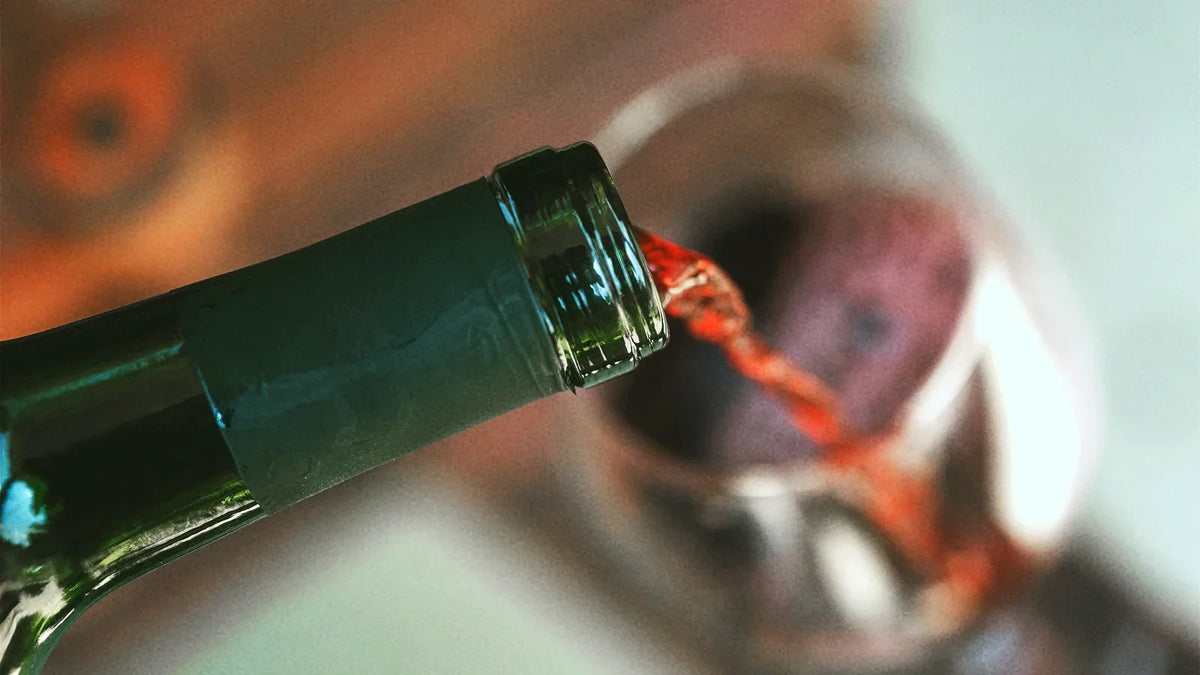
There's a moment at every table when the bottle is lifted. Most of us pour. A few serve. The gap between the two is small — a few seconds, a little attention — but it's the difference between filling a glass and offering something.
Serving well has a reputation for fuss: rules, rituals, the sense that there's a correct way to do it and you're probably getting it wrong. There isn't, and you're not. Serving is simpler, and quieter, than that. It's just care, made visible in small ways.
The generosity of pouring less
The most common instinct is to fill the glass. It comes from a good place — generosity — but it works against the wine. Here's what people miss: the empty part of the glass isn't wasted space, it's doing a job. The room above the wine is where its aroma collects and concentrates, so that when you lift the glass, the smell is there waiting for you — and the space to swirl is what releases that aroma in the first place, stirring a little air through the wine. Fill it to the brim and you lose both at once: nowhere to swirl, and nowhere for the scent to gather. You've buried the very thing you meant to share.
A glass filled about a third of the way, then, isn't meanness — it's simply how the glass is meant to work. A smaller measure, with room to breathe, gives you more of the wine, not less. It's why a sommelier's pour can look modest. It isn't. It's considered.
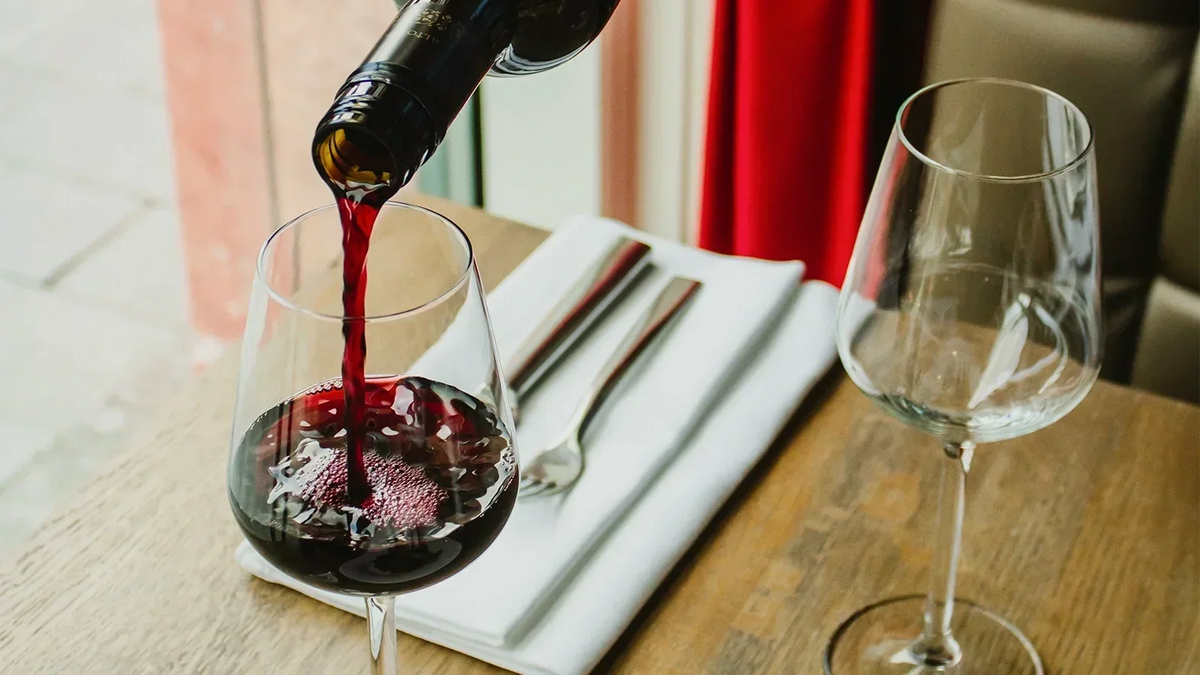
In practice: Aim for a glass about a third full (roughly 125–150 ml). The space above the wine is where the aroma gathers, and the room to swirl is what releases it — so a smaller pour tastes bigger. Never fill to the brim.
Care you can feel before you taste
Watch someone serve wine well and you'll notice a handful of small, almost invisible things. The label turned toward you. A steady hand into the middle of the glass. The slight twist of the wrist at the end that catches the last drop before it runs. With an older bottle, a slower, single motion, so the sediment stays behind.
None of it is etiquette for its own sake. Each one is a quiet signal that someone is paying attention — to the wine, and to you. It's care you register before you've tasted a thing.
In practice: Label toward your guest, pour into the centre of the glass, finish with a small twist. For an older red, pour slowly in one motion to leave the sediment behind.
Consideration, not rules
The old conventions of service make more sense when you stop treating them as rules and start seeing what they're for. The host tastes first — not ceremony, but a quick check that the wine is sound before anyone else is poured. Guests are served before the host — a small act of putting others first. Across a meal, the wines move from light to heavy, dry to sweet, young to old, so each is met at its best and none is flattened by the one before it.
Read that way, “serving” isn't a set of instructions to memorise. It's just consideration — making sure each person, and each wine, is given its moment.
In practice: Taste the wine yourself first, serve guests before you, and pour across a meal light to heavy — white before red, dry before sweet, young before old.
The thought doesn't end at the pour
And here's the part most people miss. All that attention — the measure, the courtesies, the order — is spent in a few seconds, and then too often undone over the next hour. A wine poured at exactly the right temperature and left to drift warm on the table becomes a different wine by the second glass. Serving isn't a moment; it's the whole time the bottle is with you. The complete guide to wine serving temperature is where that care either holds, or quietly slips away.
In practice: Serve at the right temperature and keep it there through the meal — a cooler on the table, not just a chill beforehand.
The last step is yours
Serving is hospitality made small — the quiet way of saying, I thought about this. It asks for attention, not performance: the right measure, the right order, the right temperature, and nothing between the wine and the glass. That's the whole idea behind VinoQ. The SoloVino and DuoVino hold a bottle at its proper temperature from the first pour to the last, so the thought you put into serving actually reaches the glass.
Part of our complete guide: How to serve wine, as it was meant to be — read the full guide.
VinoQ. Taste it as it was meant to be.